
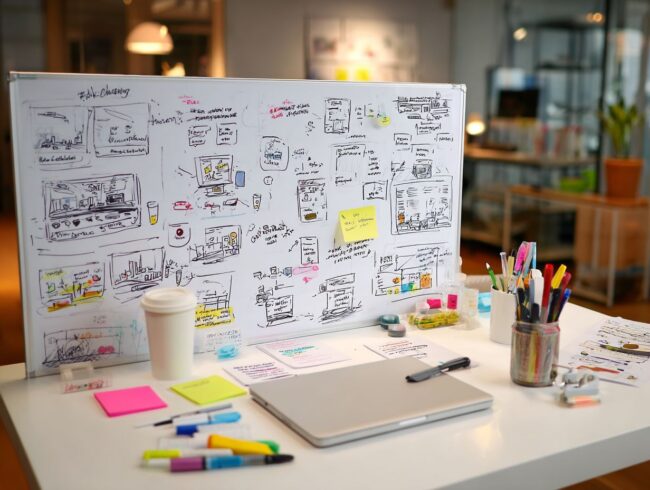
Picture this: a world where creativity flows seamlessly, even in bite-sized content that thrives in short-form content. As a self-proclaimed storytelling enthusiast, I’m here to tell you that storyboarding is far from dead-it’s the backbone of narrative structure and the secret sauce of visual storytelling that keeps our narratives spicy. From boosting message clarity to enhancing audience engagement, I’ll unravel how this age-old technique is not just relevant but essential for captivating audiences amidst the short-form frenzy. Buckle up, because we’re diving deep into the art of visualizing brilliance through film production and animation techniques!
Understanding Storyboarding and its Role in Film Techniques
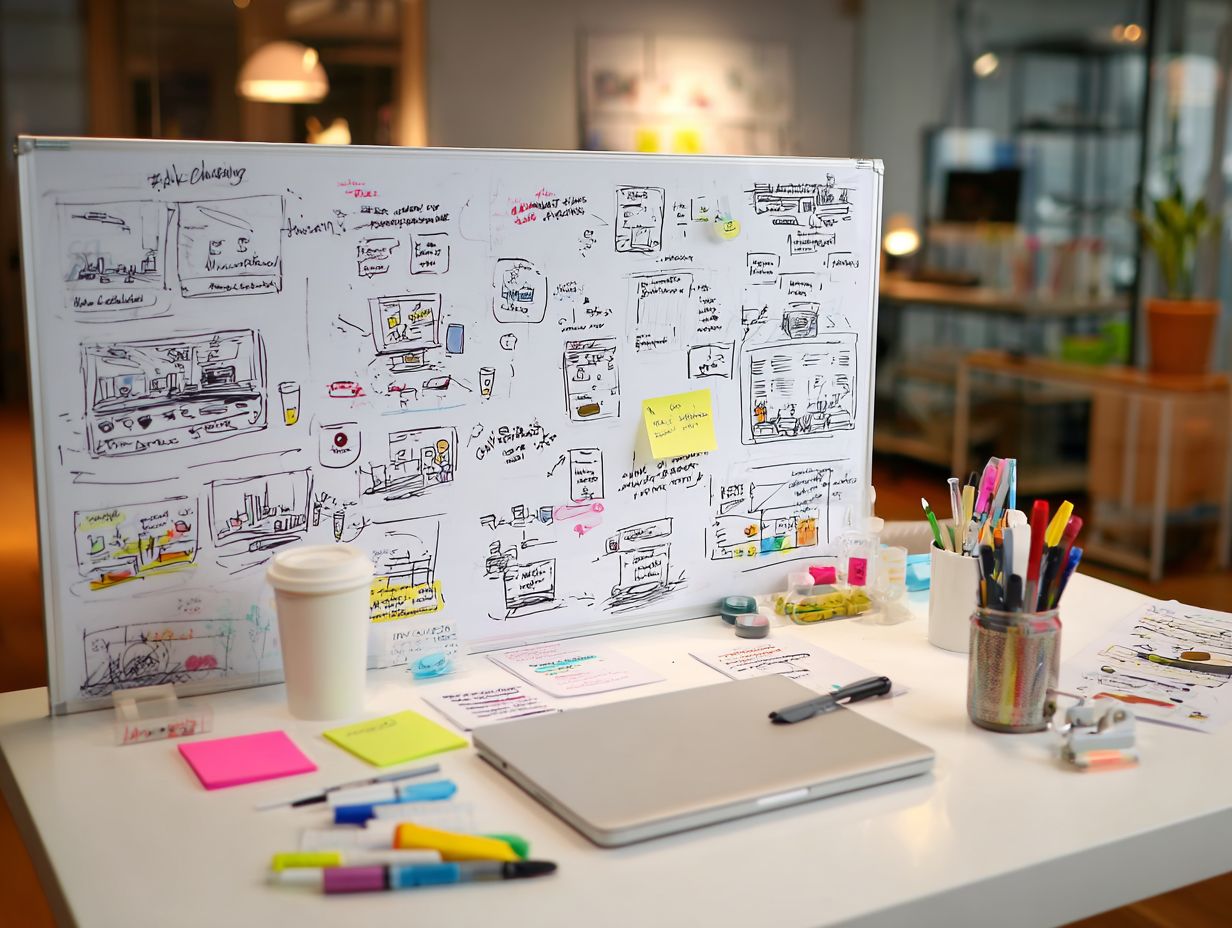
What’s the deal with storyboarding, and why should it matter to someone like me? Well, storyboarding is my secret weapon-a visual planning tool that maps out a narrative like a GPS for creativity. It lets me sketch out scenes, nail down the pacing, and develop the story arc, and spot any pesky gaps that might trip me up later on.
To whip up an effective storyboard, I kick things off with ideation techniques and a template, which I can easily snag online or borrow from design-friendly programs like Canva. I break my grand tale into key scenes, give each one a doodle, and jot down notes on dialogue or actions.
I aim for about 5-10 major scenes, enhancing the visual representation to keep things clear and breezy, avoiding the chaotic overload that could make my project feel like a tangled ball of yarn. This way, I can steer my idea from a mere spark to a fully-fledged masterpiece.
The Evolution of Content Creation
Picture this: a world where content is changing faster than I can say “viral video!” Over the last two decades, I’ve watched the landscape of media consumption, content creation, and distribution shift dramatically.
It all started with good old text, but now, platforms like YouTube and TikTok have turned the game on its head, making short-video formats and snappy visual content the star of the show.
These days, I see marketers prioritizing storytelling in marketing through visuals, whipping up eye-catching graphics with tools like Canva and piecing together stunning videos with Adobe Premiere while focusing on content marketing.
I’ve heard plenty of anecdotes from creators, and let me tell you, tailoring content to audience connection and what audiences want can skyrocket engagement. Just look at Marie Kondo, the lifestyle influencer who snagged millions of eyes by jumping on the minimalist trend.
Her success is a shining example of how adapting to consumer interests through audience analysis can wield some serious power in the content world!
Benefits of Storyboarding in Short-Form Content
Let’s dive into why storyboarding is basically my secret weapon in multimedia content creation in this whirlwind of quick content consumption. Trust me, storyboarding brings some serious perks to my visual content strategy.
First off, it adds a splash of message clarity by visually organizing my ideas with visual aids, so everyone involved can quickly get on the same page with my vision. Picture this: my marketing team using Storyboard That to whip up scenes that showcase a customer journey-it’s akin to character development and turning a complex plot into a blockbuster on paper.
Next, it’s a creativity booster and a catalyst for concept development. When I see multiple ideas lined up side by side, aiding in the flow and continuity, it’s like flipping the switch on a lightbulb factory-new directions just start popping up!
Plus, storyboarding makes the media production workflow a breeze, allowing my team to spot gaps or redundancies before we even think about hitting record.
And let’s not forget about handy tools like Canva or Milanote, which are instrumental in the editing process. They’re my trusty sidekicks, making it super easy to tweak everything based on team feedback. Who knew getting organized could be this fun?
How does storyboarding enhance clarity in messaging and communication?
As the saying goes, clarity is king, and I’m here to crown it-especially when it comes to messaging. I’ve seen many folks trip over themselves when storyboarding, leading to narratives that look more like a jumbled puzzle than a cohesive story.
One classic blunder is totally ignoring what the audience needs, hampering the viewer experience, which can turn messages into epic fails. To avoid this catastrophe, I always kick things off with audience personas during brainstorming and context creation.
Then there’s the issue of overcrowded visuals. Really, who thought cramming every idea onto a single slide was a good plan? It’s like trying to fit an elephant into a phone booth-distracting and a little ridiculous, disrupting the visual hierarchy.
I stick to one concept per slide, keeping it clean and simple.
And let’s not forget about feedback, which is crucial. Ignoring it can leave you stuck in your own little echo chamber, and trust me, that gets boring fast.
I make it a point to have regular reviews with my collaborators, enhancing collaboration and concept mapping. A fresh set of eyes and diverse insights can really shape up my storyboard, making it way more engaging.
Can storyboarding improve audience engagement?
Audience engagement isn’t just some trendy buzzword-it’s the lifeblood of today’s content scene. If I want to amp up engagement metrics, I’ve got three golden strategies up my sleeve: crafting interactive media, personalizing my communication, and leveraging the capabilities of social media platforms.
Take interactive polls or quizzes, for example, which are a form of storytelling techniques. They’re like the life of the party and can seriously crank up audience participation. Tools like Typeform or Google Forms make it a breeze to whip up these fun experiences.
Then there’s personalization, a key visual communication strategy. I can’t just blast out generic emails and hope for the best. Nope! I need to segment my audience and tailor my messages to their specific interests using nifty platforms like Mailchimp or HubSpot, ensuring empathy in my content.
And let’s not forget social media! Actively engaging with my audience on Instagram and Twitter is essential for audience retention and connection. Responding to comments and sharing user-generated content isn’t just a nice touch; it’s the secret sauce for building a dynamic relationship with followers.
With these tricks in my toolkit, I’m ready to turn engagement from a necessity into the art of storytelling!
Streamlining the Creative Process

Ever felt like managing a creative process or project management is like trying to herd a bunch of hyperactive kittens? Trust me, you’re not alone! Many teams stumble through the chaos of unclear directions and miscommunication, affecting the production design.
Take, for instance, a marketing agency that decided to tackle their video content and animation woes with storyboarding.
At first, they were drowning in missed deadlines and artistic confusion-talk about a recipe for disaster! But once they jumped on the storyboarding train, enhancing content curation, things started to click. They could visualize scenes, get everyone on the same page, and spot potential hiccups before they turned into full-blown disasters.
With handy tools like Storyboard That or Milanote, aiding in story mapping, they organized their ideas and tracked progress like pros. The result? Their project turnaround time zoomed up by 25%, boosting engagement and emotional impact! Not to mention, the final content showcased a cohesive vision that had clients and stakeholders nodding in approval.
Who knew herding cats could lead to such success?
Visualizing the Narrative
Visualizing my narrative is like trying to turn my abstract thoughts into a dazzling tapestry of images-quite the artistic direction and challenge, I must say!
Storyboarding techniques are my secret weapons in this creative endeavor and narrative consistency. One of my go-to methods is using a digital tool like Storyboard That for pre-visualization. It’s as easy as dragging and dropping characters and scenes to whip up a visual outline.
If I’m feeling a bit nostalgic, I might grab a pencil and go old school with hand-drawn sketches, integrating film editing skills. There’s something about that personal touch that really sparks my creativity.
And let’s not forget infographics-they’re like the spark notes of storytelling, using graphics and data to highlight key plot points in a visually appealing way, enhancing visual elements.
Sometimes, I even consider a hybrid approach: starting with sketches to flesh out my characters and then transitioning to digital storyboards for that polished look, ensuring user experience. Who says I can’t have my creative cake and eat it too?
Maintaining Consistency Across Platforms and Ensuring Brand Storytelling
Inconsistency can take down a brand faster than a bad review-seriously, it’s like the Grim Reaper of branding. So, how do I keep everything in check? Here are five foolproof methods I swear by to maintain my storytelling framework and consistency:
- I whip up a brand style guide that lays out the tone, voice, and visual elements-kind of like my brand narrative’s personal rulebook.
- Digital tools like Trello or Asana are my best buddies for organizing storyboard content and keeping track of deadlines. It’s like having a personal assistant, minus the coffee runs, ensuring story flow.
- I set up a regular team review routine, fostering collaboration to make sure everyone’s on the same page and no one’s off in their own little world.
- Templates for storyboards are my secret weapon in design thinking to ensure everything looks uniform across different platforms. Consistency is key, after all!
- I pencil in a monthly audit to evaluate content consistency and tweak anything that needs a little love.
By regularly applying these strategies, I can seriously pump up my brand identity through cross-platform storytelling and keep it shiny and strong.
Adapting Storyboarding Techniques for Short-Form Content and Content Innovation
Short-form content might be the hottest trend since sliced bread, but that doesn’t mean I have to kick storyboarding and visual narrative to the curb. Nope! Storyboarding is still my trusty sidekick, even in a world obsessed with bite-sized nuggets of information. It’s like my personal GPS, guiding my narrative flow and sequence and making sure none of my key messages get lost in the shuffle.
For example, I love using tools like Canva or Storyboard That to visually map out my ideas, enhancing the editing process. It’s like playing Tetris with my thoughts-defining scenes and where everything fits before I even start drafting.
I always ask myself the big questions, like:
- What’s the main message here?
- How do I make each section flow smoothly into the next?
By giving this process the time it deserves, I boost engagement and keep my short content as cohesive as a well-rehearsed dance number through storytelling in advertising.
Case Studies: Successful Short-Form Content Using Storyboarding
Let me pull back the curtain and show you some killer short-form content that totally nailed their storyboard game. One shining example? Nike’s Instagram campaign, which, with a sprinkle of magic and some seriously meticulous planning in plot development, managed to pack a powerful brand message into just a few seconds per post. Talk about efficiency!
Then there’s Facebook’s `Stories’ feature, where brands like National Geographic strut their stuff in the realm of digital media. Each slide is like a mini masterpiece, weaving together jaw-dropping visuals and captions that keep you hooked from start to finish.
And if you’re looking to channel your inner storyboard wizard, tools like Miro are perfect for brainstorming and visually laying out ideas. Canva is also a lifesaver, offering templates that make the design process feel like a walk in the park.
By checking out how these brands work their magic, I gain invaluable insights into crafting my own compelling short-form content, enhancing message delivery.
Tools and Software for Effective Storyboarding

With the right tools in my creative arsenal, I can whip my wild ideas into visual masterpieces that even Picasso would nod at. Exploring various storyboarding tools is like digging for gold in a creative mine-there’s treasure to be found!
I like to start with Storyboard That; it’s got this super user-friendly drag-and-drop interface that’s perfect for folks like me who are just getting their feet wet. If I’m feeling a bit more collaborative, I turn to Boords, which is packed with templates and features that make teamwork a breeze.
For those days when I’m in the mood to flex my design muscles, Canva has all the options I could dream of. And when I want to brainstorm visually, Milanote is my go-to for making chaos look pretty.
Each tool plays its part in the grand symphony of storyboarding: clarity, collaboration, or customization. So, I just pick the one that sings to my project’s needs, and voil-magic happens!
Overcoming Common Misconceptions About Storyboarding
Let’s clear up a little misconception: storyboarding isn’t just for Hollywood blockbusters! It’s actually a fantastic visual tool that works wonders across various fields, like marketing, education, and even product development.
Take marketers, for example. They can whip up their campaigns using platforms like Miro or Storyboard That, which lets them visualize the customer journey-kind of like making a movie, but with fewer explosions and more data.
And educators? They’re using storyboards to lay out lesson plans, integrating thematic elements to make sure the information flows smoother than a well-edited montage.
In the world of product development, tools like Figma come into play, allowing teams to visualize user experiences for improved user engagement and boost collaboration-because who doesn’t love a good brainstorming session?
By weaving storyboarding into their processes, professionals can clarify ideas and communicate like pros, leaving no room for confusion.
Future Trends: Storyboarding in a Digital Landscape
What does the future hold for storyboarding in our ever-digital world? Well, as digital storytelling continues to evolve, I can’t help but notice a few trends popping up that are set to reshape the whole storyboard game.
First off, those enhanced collaboration tools like Miro and Storyboard That are going to be my best friends. They’ll let teams visualize narratives in real-time, no matter where they are-goodbye geographical limitations, hello virtual brainstorming sessions!
Then there’s the AI-driven analytics swooping in like a superhero, allowing me to tailor stories based on what audiences are actually engaging with. It’s like having a crystal ball for storytelling-if only I could use it to predict my next Netflix binge.
And let’s not forget the rise of interactive and immersive experiences, like virtual reality. Storyboards will need to flex like a gymnast to adapt to these new formats, demanding a whole lot of creativity and innovation in planning.
By embracing these changes in digital storytelling, I can amp up my storytelling game and reach my audience like never before. Bring it on!
Appendix: Additional Resources on Storyboarding
Looking to dive deeper? Well, buckle up because I’ve got a treasure trove of resources to help sharpen those storyboarding skills.
First up, I’d recommend cracking open “Making Comics” by Scott McCloud. It’s like the holy grail of foundational storytelling techniques-definitely a must-read.
If you prefer a more hands-on approach (because who doesn’t love a good DIY?), check out the online course “Storyboarding for Animation” on platforms like Udemy. It’s like having a personal coach without the hefty price tag.
Oh, and don’t miss the article “The Art of Storyboarding” on No Film School. It’s packed with practical tips and visual examples that could make even Picasso jealous.
Finally, YouTube channels like Niko’s Corner are gold mines for tutorials and tips. They’ll have you mastering the art of storyboarding faster than you can say, “Lights, camera, action!”
Frequently Asked Questions
What is storyboarding and why does it still matter?
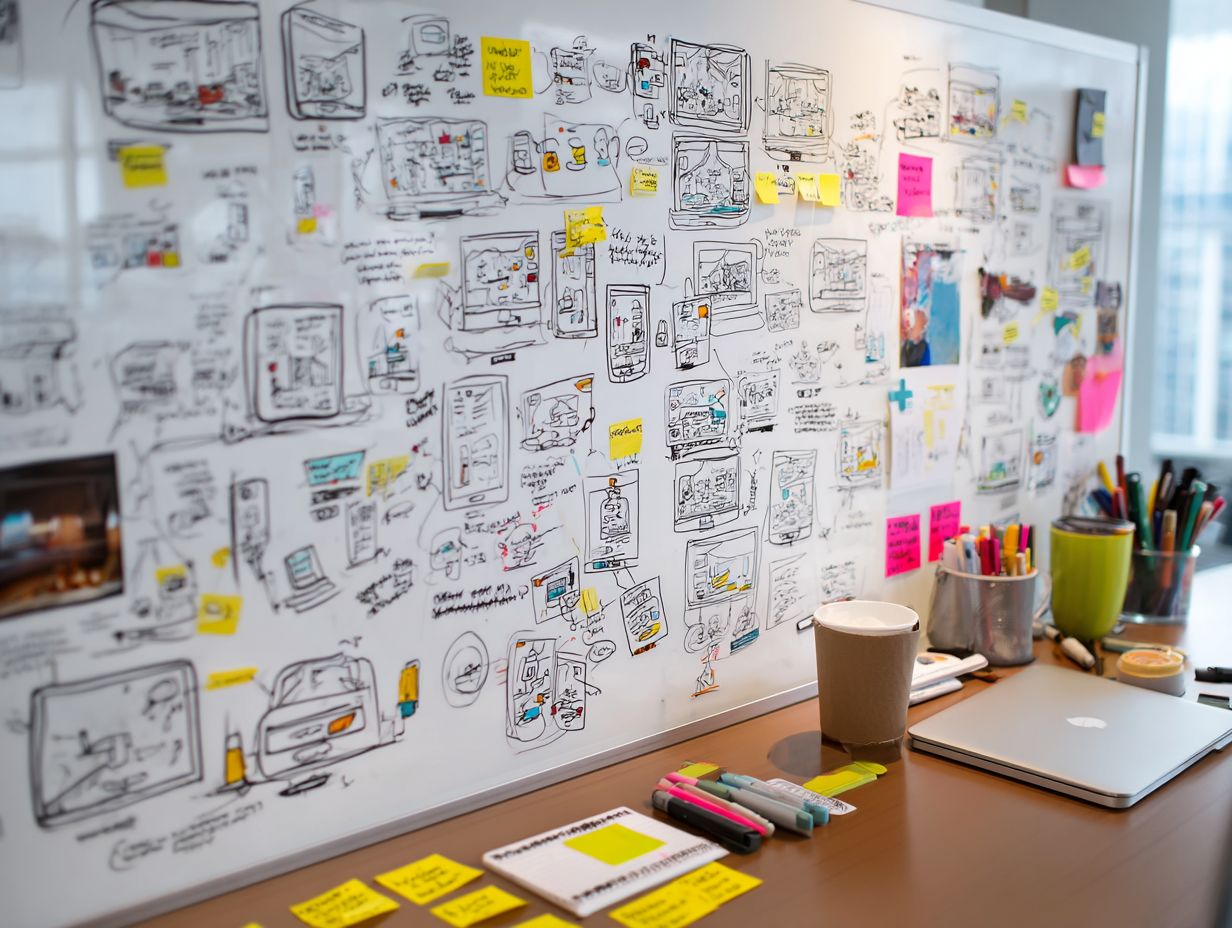
Storyboarding is a visual representation of a story or idea through a series of sketches or images, crucial for scriptwriting. It still matters in the age of short-form content because it helps create a cohesive and effective narrative for any type of content.
How does storyboarding help in creating short-form content?
Storyboarding allows creators to plan out the visual and narrative aspects of their content, making it easier to convey their message in a concise and impactful manner. It also helps save time and resources by avoiding unnecessary revisions.
Can you use storyboarding for all types of short-form content?
Yes, storyboarding can be used for any type of short-form content, including videos, animations, advertisements, and social media posts. It provides a roadmap for creators to follow and ensures that their content stays on track.
Do professional content creators still use storyboarding?
Absolutely, professional content creators understand the importance of storyboarding and use it to plan and execute their projects. It is a vital tool in the creative process and helps creators stay organized and focused.
How does storyboarding benefit collaboration among content creators?
Storyboarding helps content creators communicate their ideas and visions to their team members more effectively. It serves as a common reference point and allows for better collaboration and feedback, resulting in a stronger final product.
Is storyboarding only relevant for visual content?
No, while storyboarding is typically associated with visual content, it can also be applied to other forms of content such as podcasts, webinars, and even written articles. It helps creators structure their ideas and keep their content engaging and cohesive.
Curious about how top creators combine mindset, tech, and workflow? Explore Kthorn Bloom — a digital hub devoted to dissecting what makes great content truly magnetic.
For a deep dive into process over luck, read “The Art of Digital Magnetism: Why Great Content Is Never an Accident” — a breakdown of lighting, framing, and editing choices that turn good ideas into standout posts.
Love creator spotlights with a craft-first lens? Check out Spotlight on Local Talent: Hawai‘i for mood-driven shoots, natural light strategy, and location-savvy storytelling from island creatives.